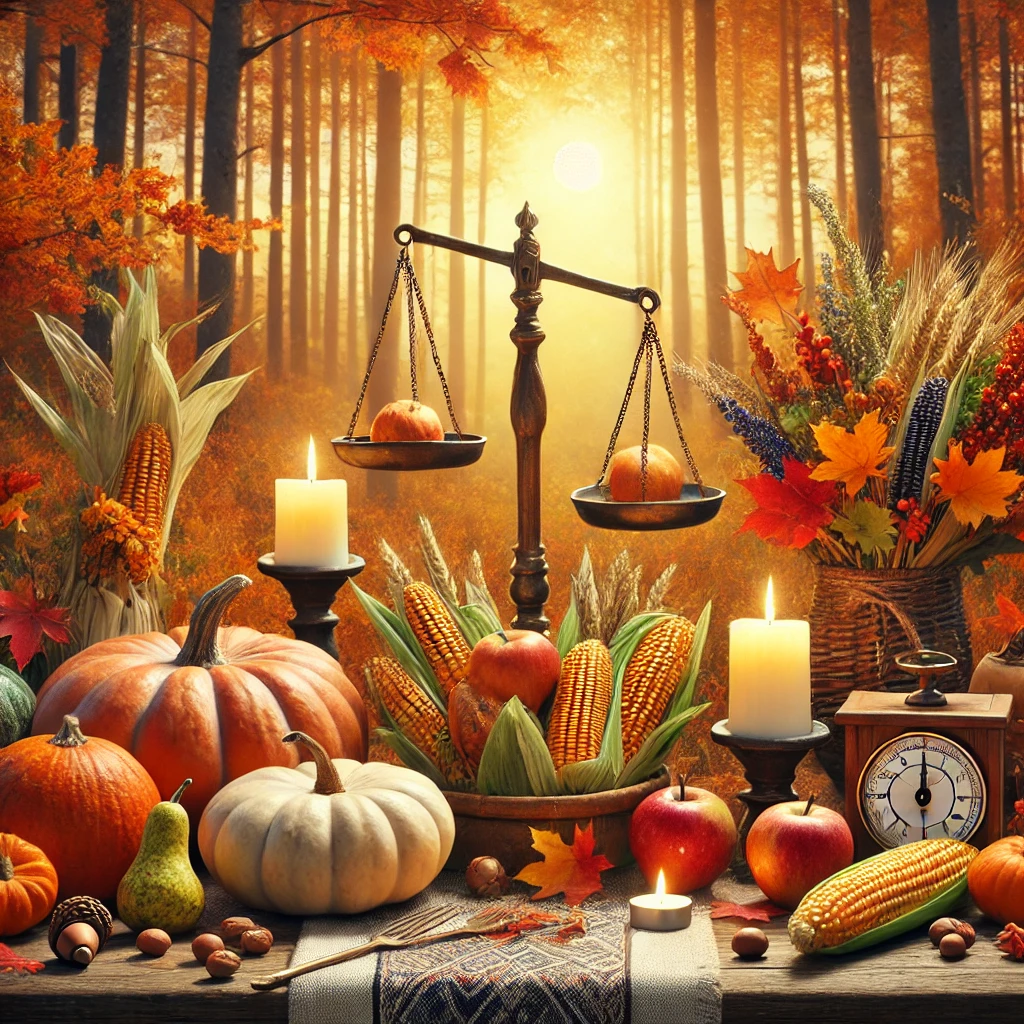
As the golden hues of autumn begin to spread across the landscape and the air turns crisp with the promise of the harvest season, pagans around the world celebrate a festival known as Mabon. Falling on the autumn equinox, around September 21st to 24th, Mabon marks the point where day and night stand equal, before the balance tips and darkness begins to overtake the light. This ancient holiday is steeped in the rich history of seasonal change, mythological significance, and a deep connection to the natural rhythms of the Earth.
But where does this celebration come from, and what does it symbolize? To truly understand Mabon, we must look back to ancient traditions, both Celtic and beyond, that honor the harvest, the waning sunlight, and the cycle of life, death, and rebirth. Let’s dive into the story behind Mabon, its historical roots, and how modern pagans celebrate this sacred time of the year.
The Historical Roots of Mabon
The name Mabon may be a relatively modern term, coined in the 1970s by Aidan Kelly, a leader in the American Neopagan movement, but its origins are ancient, woven into the fabric of agrarian life and mythology. In Celtic tradition, Mabon was originally known as the “Second Harvest,” following Lammas or Lughnasadh, which took place in early August to honor the first fruits of the season. While Lammas celebrated the grain and wheat, Mabon was a time to give thanks for the abundance of fruits, vegetables, and the final crops of the year.
The festival’s name is drawn from Mabon ap Modron, a figure from Welsh mythology. Mabon is a god of youth, the son of the Earth Mother goddess Modron, whose story represents themes of birth, death, and rebirth. According to myth, Mabon was stolen from his mother just three days after his birth and imprisoned, leaving the Earth barren in his absence. His eventual rescue and return symbolizes the cyclical nature of life, and by extension, the cycle of the seasons.
This myth mirrors the rhythms of the Earth and sky, where light and dark are in balance on the equinox. After the equinox, daylight will wane, and the descent into winter begins—a time of introspection, rest, and preparation for renewal. Mabon, therefore, is not just a celebration of the harvest but also a moment of reflection and acknowledgment of the changing energies as nature begins to sleep.
Mabon and the Harvest Festivals
Mabon was part of a series of harvest festivals in many cultures, not just the Celtic world. The Greeks celebrated the Eleusinian Mysteries, a festival in honor of the grain goddess Demeter and her daughter Persephone. In this myth, Persephone’s descent into the underworld each year brought the autumn and winter, while her return brought spring. Similar to the story of Mabon ap Modron, the Eleusinian Mysteries centered on themes of death and rebirth, marking the changing seasons with reverence for the agricultural cycle.
In ancient Rome, the autumn equinox was associated with the celebration of Pomona, the goddess of fruits and orchards. Other European traditions, like the Slavic festival of Dożynki or the German Erntedankfest, also centered around giving thanks for the harvest and paying homage to the forces of nature that sustained life through the cold months.
Though the specifics of these festivals varied by culture, they all shared one common thread: they were a time to honor the Earth, to recognize the gifts of the harvest, and to prepare for the coming winter. Mabon, as celebrated today by many pagans, carries this same reverence.
Modern Pagan Celebrations of Mabon
In contemporary paganism, especially among Wiccans and followers of modern Druidism, Mabon is considered one of the eight Sabbats in the Wheel of the Year, a cycle of festivals that mark the passing of the seasons. Mabon falls at the autumn equinox, where it serves as a time for reflection, gratitude, and preparation for the colder, darker half of the year.
Gratitude and Balance: At its heart, Mabon is about giving thanks for the harvest, not only the physical abundance of fruits, vegetables, and grains but also for personal growth and the “harvest” of achievements, knowledge, and spiritual progress made throughout the year. Pagans may take time during this holiday to reflect on their successes and struggles and to express gratitude for the lessons learned. The equinox is also a reminder of the balance in life, a theme that is woven into Mabon rituals—balancing work with rest, giving with receiving, light with dark.
Offerings and Altars: A common practice during Mabon is to create an altar that honors the Earth’s bounty. Pagans often decorate their altars with seasonal fruits like apples, grapes, pumpkins, and squash, as well as with symbols of the harvest like cornucopias, sheaves of wheat, and autumn leaves. Crystals associated with Mabon, such as citrine, amber, and tiger’s eye, are placed on the altar to reflect the warm tones of the season and to channel energies of abundance and grounding.
Rituals and Ceremonies: Mabon rituals often involve offering thanks to the Earth, the Sun, and the various deities associated with the harvest. Some pagans write lists of things they are grateful for and burn them as offerings, symbolizing the release of their thanks into the universe. Group rituals may include sharing a communal meal, dancing, singing, and offering portions of food to the Earth as a token of respect and gratitude.
Nature Walks and Feasting: Many pagans choose to spend Mabon outdoors, walking through forests, fields, or orchards to connect with the season. Collecting items like acorns, pinecones, and colorful leaves can be part of this walk, symbolizing the gathering of the Earth’s gifts. Feasting is also central to Mabon celebrations. Many pagans prepare meals using seasonal produce, such as roasted vegetables, apple pies, and hearty stews, often sharing these meals with friends and family as a way to celebrate community and abundance.
Reflection and Release: While Mabon is a time to give thanks, it is also a time to let go of the things that no longer serve us. Just as the trees shed their leaves in autumn, pagans may perform rituals to release old habits, negative energies, or aspects of life that are holding them back. This can take many forms, such as meditation, journaling, or burning slips of paper inscribed with what one wishes to leave behind.
The Spiritual Significance of Mabon
On a spiritual level, Mabon is a time of deep introspection. The harvest has been gathered, and the focus now shifts from the external to the internal. As the light begins to fade and the days grow shorter, pagans see this as a metaphor for turning inward—reflecting on personal journeys, facing inner darkness, and preparing for the rebirth that comes with the winter solstice and Yule.
For many, Mabon is a time to find balance in life, to assess where we have been and where we are going, and to prepare for the challenges that lie ahead in the dark months. Just as the Earth rests and regenerates in the winter, Mabon reminds us that we, too, need periods of rest and reflection.
Mabon Today: A Celebration of the Earth
Today, Mabon continues to be a celebration of the Earth and its cycles. Pagans, Wiccans, and those who follow nature-based spiritualities honor the changing seasons, the balance of light and dark, and the gratitude for the Earth’s abundance. It is a time to reconnect with the natural world, to celebrate community, and to acknowledge the sacredness of the cycle of life.
Though it is rooted in ancient practices, Mabon is as relevant today as it ever was. In a world where we are often disconnected from nature, the festival offers a chance to slow down, to appreciate the beauty of the changing seasons, and to give thanks for the harvest—whether it’s the food on our tables or the blessings in our lives.
Conclusion
Mabon is more than just a celebration of the autumn equinox. It is a time to honor the Earth, to reflect on the cycles of life, and to give thanks for the abundance that surrounds us. From its ancient roots in Celtic mythology to its modern-day practices, Mabon invites us to find balance, to celebrate community, and to prepare for the coming winter with gratitude in our hearts. As the wheel of the year turns and the days grow darker, Mabon reminds us that light will always return, and with it, the promise of renewal.
Where you can find Patti Petrone Miller
https://www.facebook.com/pattipetronemillerexecutiveproducer
https://www.facebook.com/pattipetronemiller/
https://www.facebook.com/halloweenismyfavoriteholiday
https://www.instagram.com/pattipetronemiller/
Discover more from Patti Petrone Miller
Subscribe to get the latest posts sent to your email.

Thank you for sharing. I am always here to support a fellow blogger and read their work.
I also have a podcast where I offer people the opportunity to share their knowledge. If you would ever like to be a guest, just let me know.
Thank you
LikeLiked by 1 person